Pre-Foreclosure Help in Jonesboro, Arkansas
You Know This City. You Know This Ridge.
If you’ve lived in Jonesboro for any length of time, you understand what makes this place different from anywhere else in Arkansas. You know you’re living on top of something special—Crowley’s Ridge, that ancient geological formation that rises up from the flat Mississippi Delta like an island. You’ve driven along the ridge, seen how the landscape rolls and dips in ways that don’t exist in the flatlands just miles away. You’ve noticed how the trees here look different, more like what you’d see in the Appalachian Mountains than in the Arkansas Delta.
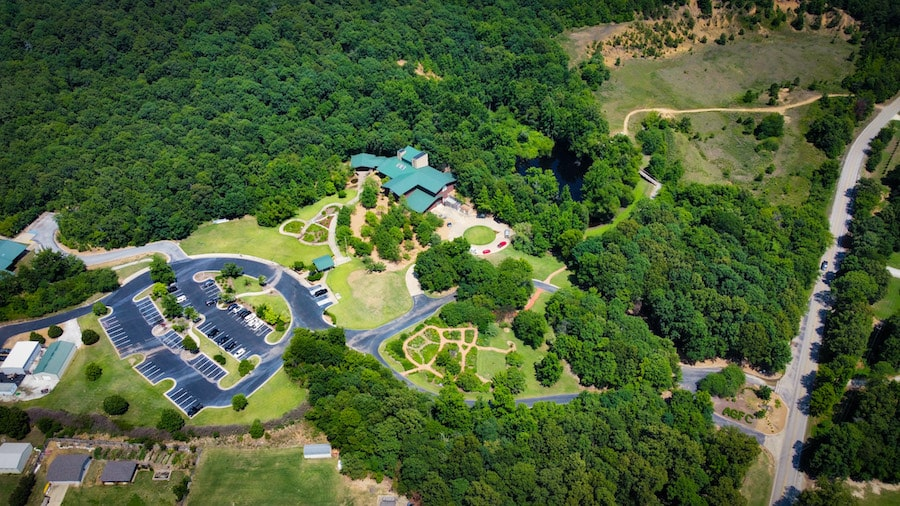
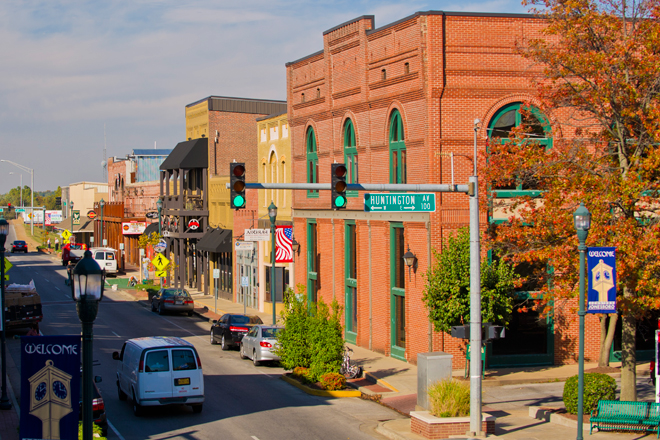
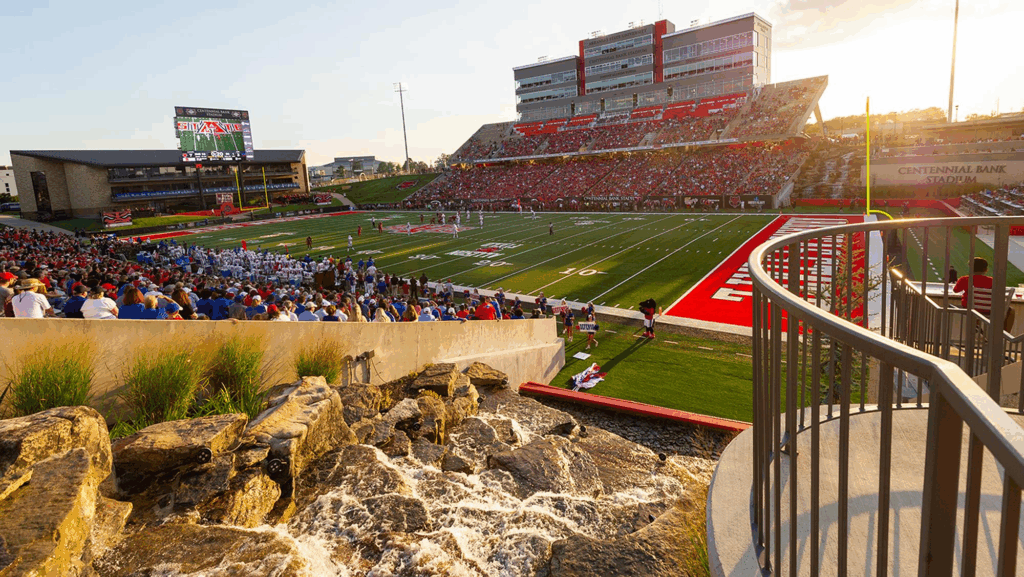
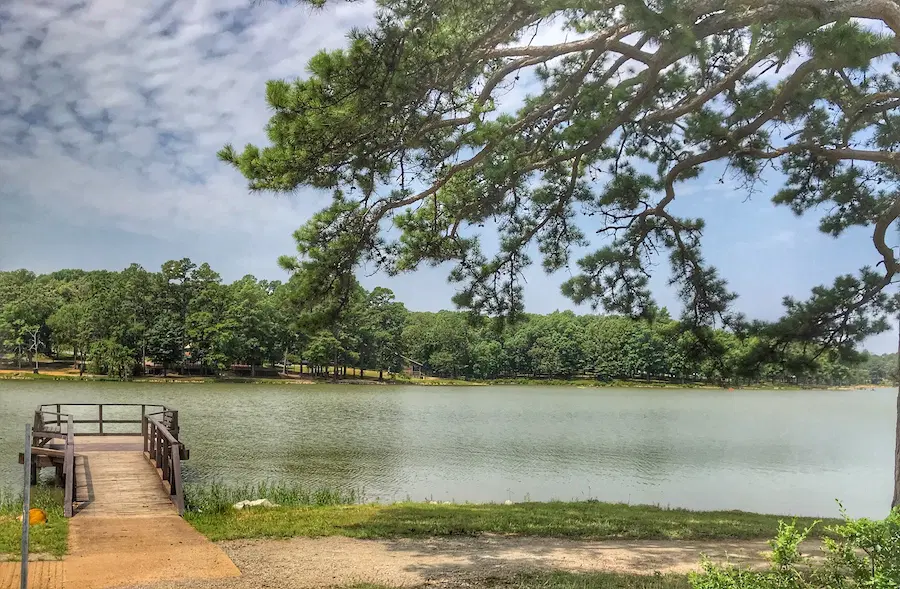
You know the rhythm of this city. Game days at Centennial Bank Stadium when the whole town bleeds red and black for the Red Wolves. The energy on the Arkansas State University campus when students flood back each fall. The quiet beauty of Craighead Forest Park on a Sunday afternoon, where families fish from the pier or walk the trails through those 700 acres that make up the second-largest city park in the entire state. The Forum Theatre downtown, where you’ve probably seen a play or a concert, and the restaurants and shops along Main Street that give this city its historic character.
This is the kind of place where Arkansas State isn’t just a university—it’s the heartbeat of the community. Where “Wolves Up” isn’t just a sports slogan, it’s a way of life. Where your kids might have grown up going to ASU football games, or you might have graduated from A-State yourself, or you work at the university or St. Bernards Medical Center or one of the other big employers that keep this city running.
So when you’re facing pre-foreclosure here in Craighead County, it doesn’t feel like just a financial setback. It feels personal and visible. It feels like you’re letting down a community that’s been good to you. Like you’re losing your place in Northeast Arkansas’s hub—the city where people from surrounding towns come to shop, to see doctors, to take their kids to college.
What Pre-Foreclosure Feels Like in a College Town
In Jonesboro, there’s a particular pressure that comes with struggling financially. You might live in one of the neighborhoods near campus, or out toward Craighead Forest Park, or in one of the developments that sprang up during the city’s growth. Wherever you are, you’re part of a community of 83,000 people, and in a city this size, it can feel like everyone somehow knows everyone’s business.
You worry about what colleagues might think if they find out. You wonder if neighbors have noticed the certified letters from the bank. You might avoid certain places—the grocery store where you might run into someone from church, or the Forum Theatre where you might see friends from work, or even driving past the ASU campus if that’s where you went to school and where this dream of homeownership started.
If your job is tied to the university or the hospital or the agricultural industry that’s been the backbone of this region for generations, the financial strain feels even heavier. Maybe you’re a professor or staff member at A-State. Maybe you work in healthcare at St. Bernards. Maybe you’re in education, or retail, or one of the food processing plants like Riceland Foods or Frito-Lay or Nestle. Whatever your situation, a few unexpected expenses—medical bills, car repairs, helping family—and suddenly you’re behind on the mortgage.
And here’s what’s important to understand: You’re not out of time yet. Pre-foreclosure means you still have choices. It means the bank hasn’t taken your home. It means you can still breathe, think clearly, and make decisions that work for you and your family.
How Foreclosure Actually Works in Arkansas
Let’s walk through what’s really happening, because understanding the process helps reduce some of the fear and uncertainty. In Arkansas, most foreclosures are what’s called “non-judicial,” which means your lender doesn’t have to go through the court system to foreclose on your home. This is different from some states where a judge has to approve everything.
Here’s how the timeline typically unfolds:
The Arkansas Foreclosure Timeline
When You First Miss a Payment: Nothing happens immediately. The bank sends notices. You get phone calls. But they’re not racing to foreclose right away—foreclosure actually costs them money and time, so they’d rather work something out if possible.
After 30-90 Days: The letters get more serious. You start seeing language like “default notice” or “intent to accelerate the debt.” This is where a lot of people start panicking and avoiding the mail entirely. But you still have time to act.
The Notice of Default and Intent to Sell: Under Arkansas law, your lender must send you written notice before they can sell your home. This notice has to give you at least 30 days and must clearly state:
- The total amount you owe
- The deadline by which you must pay to stop the foreclosure
- A statement that if you don’t pay by that deadline, they intend to sell the property
This notice typically comes by certified mail to your last known address. If you’re still living in your home off Red Wolf Boulevard or near the university or out by the forest park, you’ll get it. This is your official warning.
The Publication Requirement: Here in Craighead County, the lender also has to publish a notice of the foreclosure sale in a local newspaper once a week for two consecutive weeks. This would typically be in a paper like the Jonesboro Sun. The first publication must happen at least 20 days before the scheduled sale date. This is public notice—it’s how foreclosures become visible to the community.
The Foreclosure Sale: If you haven’t been able to resolve the situation or sell the property yourself, your home goes to public auction. In Arkansas, this typically happens at the county courthouse. For Craighead County, that’s at the courthouse right here in downtown Jonesboro on Main Street, just blocks from the Forum Theatre and the heart of the historic district.
The sale is public, usually held on a weekday morning. Your home is sold to the highest bidder—sometimes that’s the bank itself buying it back, sometimes it’s an investor looking for properties.
After the Sale: Once your home is sold at auction, you typically have to move out quickly. Arkansas doesn’t offer a long redemption period like some states. What’s done is done, and it happens fast.
Here’s What Most People Don’t Understand
The non-judicial process can move faster than you expect. But here’s the critical thing to understand: at any point before that auction gavel comes down, you still have options. You can sell the house yourself. You can try to work out a deal with the bank. You can explore a short sale if you owe more than the home is worth.
The key is not waiting until you’re down to the final days. Not because we’re pressuring you—we’re not—but because the earlier you take action, the more choices you have and the better your outcome is likely to be.
Why Jonesboro Homes Are Different
Your home here isn’t like a house in the flat Delta towns to the east or the mountain communities to the west. Jonesboro properties have something special—they’re on Crowley’s Ridge, that unique geological formation that gives this area its character and its protection. When the devastating 1927 flood hit the region, Jonesboro sat safe on the high ground while neighboring communities suffered. The ridge has always been what makes this place different.
If you’re near the ASU campus, your property might be in one of the neighborhoods where students rent, professors live, and Red Wolves spirit runs deep. If you’re out by Craighead Forest Park, you might have a home with mature trees from that unique Appalachian-style forest, maybe a bigger lot, space for your family to spread out. If you’re in one of the newer developments on the edges of town, you might have a place that was perfect when you bought it—good schools, safe streets, easy commute to work.
Maybe you’ve got a house near downtown where you can walk to the Forum Theatre for shows, or a modest home that’s been in your family for generations, or a place you bought thinking you’d retire here and watch the Red Wolves play football for decades to come.
These aren’t just addresses on a tax assessor’s website. They’re the places where you’ve lived your life—where your kids learned to ride bikes, where you hosted Thanksgiving dinners, where you celebrated Red Wolves victories and mourned losses together as a family.
And here’s the truth that matters: properties in Jonesboro have real value, even if you’re behind on payments, even if the house needs some work. You’re in the fifth-largest city in Arkansas. You’re in the cultural and economic hub of Northeast Arkansas. You’re home to a major university with over 13,000 students. You’re 70 miles from Memphis and connected to the world by major highways. People want to live here—families looking for good schools and college town culture, young professionals working at ASU or St. Bernards, retirees wanting access to healthcare and cultural amenities without big city prices.
That means your home, even in pre-foreclosure, has value. And that value can be your path out of this situation.
The Weight You’re Carrying Right Now
Let’s be completely honest about what you’re going through: this is crushing. You’re probably not sleeping well. Every time you drive past the ASU campus or through downtown, you feel the weight of what’s happening. Every phone call from an unknown number makes your stomach drop. You avoid checking the mail because you’re terrified of what might be there.
You’ve done the math a hundred times, stayed up late going over the budget, trying to figure out where the money could come from. But the numbers just don’t work, and that reality is devastating.
Maybe you’ve thought about asking family for help, but you don’t want to burden them with your problems. Maybe you’re embarrassed because you work at the university or the hospital and you feel like you should have your life more together. If you’re married, this is probably causing tension in your relationship—money stress always does, and in a college town where so many people seem to be doing well, it’s hard not to feel like you’re the only one struggling. If you’re on your own, the isolation might feel unbearable.
You might be praying about it, asking God for a miracle, trying to maintain faith that somehow this will work out—and some days that helps, and some days the fear just overwhelms everything.
Here’s what we need you to hear: This situation doesn’t define who you are. You’re not a failure. You’re not irresponsible. You’re not less capable or less worthy than your neighbors or coworkers. You’re a person facing an incredibly difficult situation, and you’re trying to determine the best course of action.
The fact that you’re reading this right now—that you’re actively looking for information and solutions—shows tremendous courage. A lot of people in your situation just shut down, ignore the problem, and hope it somehow disappears. You’re not doing that. You’re here, you’re reading, you’re trying to understand your options. That matters more than you probably realize.
Your Options
There’s no urgency here. No one’s going to pressure you into anything. We just want you to understand what’s actually possible, because sometimes just knowing you have real choices makes it easier to breathe.
Option 1: Catch Up on Payments
If you’ve come into some money—maybe an inheritance, a work bonus, help from family, a tax refund—you can pay what you owe and get your account current. This stops the foreclosure process immediately. If this is possible for you, wonderful. Problem solved.
But if you’re reading this page, it’s probably because that’s not realistic right now. And that’s completely okay. There are other ways forward.
Option 2: Loan Modification or Forbearance
You can try working directly with your lender to modify your loan terms. Sometimes they’ll lower your payment, extend the loan term, defer part of what you owe, or in rare cases even reduce the principal balance. Sometimes they’ll agree to forbearance, which means you can pause or reduce payments temporarily while you get back on your feet.
This can work, but it’s slow and bureaucratic. There’s extensive paperwork. Long phone calls. Waiting on hold. Waiting for decisions. And there’s no guarantee they’ll approve anything—they’re under no obligation to help you.
If you want to try this route, we support that decision. But understand it takes considerable time, and time might be something you’re running short on.
Option 3: Sell Your Home Yourself
If you have equity in your home—meaning it’s worth more than you owe—you could list it with a real estate agent and try to sell it the traditional way. You’d pay off the mortgage, cover the closing costs and agent commissions (typically 5-6%), and keep whatever’s left over.
The challenge? Traditional sales take time. Even in a city like Jonesboro where there’s steady demand because of the university, it could take weeks or months to find the right buyer. And if you’re already in pre-foreclosure, you might not have that kind of time. Plus, getting your house “show ready”—making repairs, keeping it spotless for showings, dealing with inspections—can feel overwhelming when you’re already stressed about money and worried about the future.
Option 4: Short Sale
If you owe more on your house than it’s currently worth, a short sale might be an option. This is where the bank agrees to let you sell the home for less than the full mortgage balance. They take a financial loss, but it’s better for them than going through foreclosure.
Short sales can help you avoid foreclosure on your credit report, but they’re complicated and slow. The bank has to approve every step of the process, which can take many months. And you still have to find a buyer willing to wait through the entire approval process, which many buyers won’t do.
Option 5: Sell Directly to a Cash Buyer
This is where we come in, and it’s the option that brings the most relief to people in your situation.
Here’s how it works: We buy houses directly, in any condition, in any situation. You don’t have to fix anything. You don’t have to clean anything. You don’t have to stage it for showings or wait months for the perfect buyer or deal with bank approval processes.
We look at your home, we look at your situation, and we make you a fair cash offer. If you accept it, we handle all the details—the paperwork, the title work, the closing, everything. You can close in as little as a week or two if you need to move quickly, or we can work on your timeline if you need more time to arrange your next living situation.
No real estate agent commissions are eating into your proceeds. No closing costs coming out of your pocket. No judgment about your situation or how you got here.
You walk away without the crushing weight of the mortgage, without the foreclosure on your record, and you can start the next chapter of your life with a clean slate and your dignity intact.
Why People in Jonesboro Choose This Route
We’ve worked with families all over Craighead County—people with homes near the ASU campus, people with properties by Craighead Forest Park, people in the downtown area, people in the newer subdivisions on the outskirts. Here’s what they consistently tell us:
“We just needed it to be over.” The constant stress of waiting, wondering when the foreclosure would happen, dealing with the bank—it was too much. Selling quickly gave them immediate peace of mind and let them move forward.
“We didn’t have the money to fix it up.” Many homes in pre-foreclosure need repairs or updates. Selling to us meant they didn’t have to come up with thousands of dollars they didn’t have for repairs before they could sell.
“We didn’t want everyone in Jonesboro to know.” In a city where the university connects so many people and everyone seems to know someone who knows you, a foreclosure sale at the courthouse downtown feels painfully public. Selling privately kept their business private.
“The college town economy is tough.” When your financial well-being is tied to academic calendars, student enrollment, and state funding for the university, it can be unpredictable. Selling lets them move on to something more stable.
“We wanted to move closer to family.” Sometimes life calls you somewhere else—aging parents who need care, a job opportunity in another state, a chance to start over somewhere new. A quick sale made that possible.
What Makes Jonesboro Special
Let’s talk about this city for a minute, because it deserves recognition.
Jonesboro was established in 1859 on the rolling hills of Crowley’s Ridge. That ridge—formed by the upheaval of an ancient sea bottom, carved by ice-age glacial meltwaters—is one of only a handful of similar geological formations in the entire world. It made Jonesboro different from day one. While surrounding Delta communities sit at flood risk in the flatlands, Jonesboro has always sat above it all, safe on high ground.
In 1909, Arkansas State University was founded as the First District Agricultural School. It became the first of Arkansas’s district agricultural schools to achieve university status, and today it’s the second-largest university in the state with programs that draw students from around the world. The Red Wolves—a mascot adopted in 2008 to honor the endangered species that researchers here helped save from extinction—represent this community’s pride and identity.
This city weathered the Great Depression while still serving as a regional shopping and processing center for cotton and rice farmers from surrounding areas. In 1930, Riceland Foods built what was then the world’s largest rice mill here. Today, major food processing plants from Frito-Lay to Nestle to ConAgra call Jonesboro home, employing thousands.
St. Bernards Medical Center serves as the healthcare hub for all of Northeast Arkansas and the Missouri “boot heel.” The Delta Symphony Orchestra—the only professional symphony in this part of the state—has performed here for over four decades. The Forum Theatre downtown offers community theater, art, music, and dance programs that enrich the cultural life of the entire region.
Craighead Forest Park, with its 700 acres of unique Appalachian-style forest vegetation and beautiful lake, offers recreation that you won’t find anywhere else in the Delta. The Crowley’s Ridge Nature Center tells the story of this ancient landform and serves as a stop on the Crowley’s Ridge National Scenic Byway, a 200-mile route that brings visitors from around the country.
This is a city that combines the energy and resources of a university town with the friendliness and values of a community that knows its roots. “Wolves Up” brings the whole city together on game days. Where downtown still matters and Main Street businesses thrive. Where you can attend a symphony performance, hike through ancient forests, and watch Division I college football all in the same weekend.
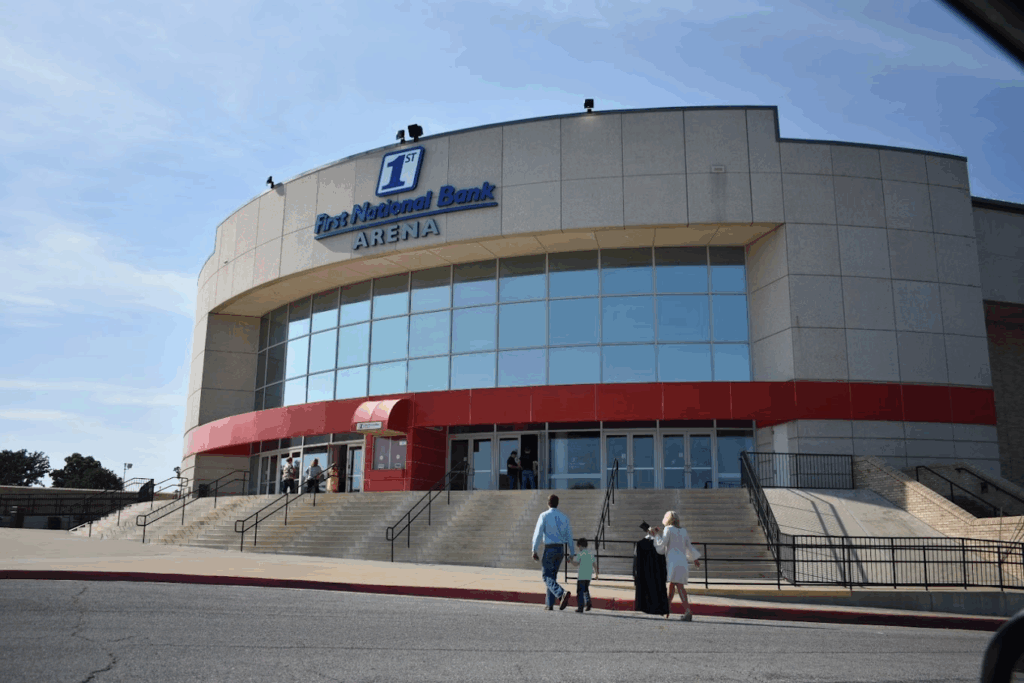
If your home is part of this place—whether it’s near campus where Red Wolves spirit is everywhere, or by the forest park where families make weekend memories, or in historic downtown where Jonesboro’s past meets its future—it has value. Real value to someone who wants what this city offers.
And that includes us.
No Pressure. No Games. Just Honest Help.
We’re not here to pressure you. We’re not going to tell you that you have to decide today, or that this is your last chance, or use any of the high-pressure sales tactics you might have experienced elsewhere. That’s not how we operate, and it’s not how we’d want to be treated if our positions were reversed.
What we are here to do is offer you an option that might bring some relief and help you move forward. If you want to talk, we’ll listen without any judgment. If you have questions, we’ll answer them honestly and completely. If you need time to think it over and discuss it with family, take all the time you need.
This is your home. Your decision. Your life. We’re just here to help if that’s what you want.
What Happens If You Reach Out
If you decide to call or fill out the form on this page, here’s exactly what happens:
- We’ll have a conversation. No sales pitch, no pressure. Just an honest discussion about your situation, your home, what you owe, and what you’re hoping to accomplish.
- We’ll come look at your property. If you’re comfortable with it, we’ll schedule a time to come by and see the house. We’ll ask some questions about the condition, the neighborhood, your timeline, and what’s important to you in this process.
- We’ll make you a fair cash offer. Usually within 24-48 hours, we’ll present you with an offer in writing. No obligation whatsoever. If it works for you and your situation, wonderful. If it doesn’t, that’s completely fine too.
- You take whatever time you need to decide. Think about it. Pray about it. Talk it over with your spouse, your family, your trusted advisors. Sleep on it for a few days if you need to. We’ll be here whenever you’re ready.
- If you accept, we handle everything. We work with a local title company, we take care of all the paperwork and legal requirements, and we make the process as smooth and stress-free as humanly possible. You don’t have to worry about a single detail.
This Isn’t the End of Your Story
Whatever happens with this house, it’s not the end of your story. You’re going to be okay. That might be hard to believe when you’re in the middle of this storm, but it’s true.
Losing a home is one of the hardest things a person can go through, especially in a place like Jonesboro where home and community and identity are so deeply connected. But this doesn’t define who you are or what you’re capable of achieving in the future.
People come back from this. People rebuild their lives, their credit, their sense of stability. People find new places to call home, new communities, new rhythms, new peace. You will too. You have more resilience and more resources than you probably realize right now.
Right now, you just need to take the next step. And if that next step is reaching out to us to explore your options and see if we can help, we’ll be here.
Frequently Asked Questions
What is pre-foreclosure and how does it work?
Pre-foreclosure is that critical window of time between when you fall behind on your mortgage payments and when your home is actually sold at auction. Think of it as the warning phase—the bank has started the legal foreclosure process, but your home still legally belongs to you. Here in Arkansas, this process typically begins after you’ve missed several payments and your lender sends an official Notice of Default and Intent to Sell. During pre-foreclosure, you still live in your home, you’re still the legal owner, and most importantly, you still have the power to decide what happens next. In Craighead County, you’ll see the foreclosure notice published in the Jonesboro Sun or another local newspaper, and by law you must have at least 30 days from that official publication before any sale can take place. This window of time is your opportunity—you can catch up on payments if you’re able to, you can work out an arrangement with your lender, or you can sell the property on your own terms before the bank takes control and auctions it off. Pre-foreclosure feels absolutely terrifying because the legal language makes it sound final and inevitable, but it’s actually the period when you still have the most options and the most control over your outcome. The key is recognizing that you’re in pre-foreclosure and taking action while you still have time, rather than letting fear and overwhelm paralyze you into inaction.
Can I sell my house during pre-foreclosure?
Absolutely yes, and in fact, selling during pre-foreclosure is often one of the smartest decisions you can make. It’s completely legal, completely common, and can save you from having a foreclosure on your credit report. Your home is still legally yours until that auction actually takes place at the Craighead County courthouse, which means you have every right to sell it just like you would at any other time—the only difference is you need to move faster than a traditional sale typically allows. Here in Jonesboro, if you listed your home near the ASU campus or out by Craighead Forest Park with a regular real estate agent, you’d probably wait several weeks or even months for the right buyer to come along, and your house would need to be in good showing condition throughout that time. But when you’re in pre-foreclosure, you don’t have months to wait, and you probably don’t have the money or the emotional energy to make repairs, stage the house perfectly, and keep it show-ready for potential buyers. That’s exactly why selling directly to a cash buyer makes so much sense for people in your situation. We can close in as little as 7-10 days if time is critical, which gives you plenty of time to pay off the mortgage before the foreclosure sale happens at the courthouse downtown. You walk away without the foreclosure hitting your credit report, which would damage your score for seven years, and you’re not scrambling in a panic at the last possible moment trying to figure out what to do. Plenty of homeowners throughout Craighead County and Northeast Arkansas have sold during pre-foreclosure and moved forward with their dignity and their credit relatively intact.
How long do I have before my house goes to foreclosure?
The honest answer is that it depends on exactly where you are in the process, but Arkansas doesn’t give you as much time as some other states do, so you need to take this seriously. Once your lender sends that official Notice of Default and Intent to Sell, Arkansas law requires them to give you at least 30 days before they can schedule the auction. But here’s what many people don’t realize—by the time you receive that official notice, you’ve usually already been behind on payments for several months. Most lenders don’t start formal foreclosure proceedings until you’re 90-120 days delinquent because they’re trying to work with you and because foreclosure is expensive and time-consuming for them too. So from your very first missed payment to the actual foreclosure auction at the courthouse, you might have four to six months total. But the timeline accelerates dramatically once that official notice goes out. Once the notice gets published in the Jonesboro Sun for two consecutive weeks, you’re really down to the final countdown. If you’re reading this and you’ve already received that official notice with the sale date, don’t waste another week hoping things will magically work themselves out or that some miracle will fall from the sky. You probably have a few weeks, maybe a month or two at most depending on when exactly the sale is scheduled. That’s enough time to sell your home if you act right now, but it’s not enough time to procrastinate, avoid the problem, or keep waiting for the perfect solution to appear. Every single day you wait is one day closer to losing all your options. If you’re earlier in the process—maybe you’ve just received your first default letter or you’re still in the 60-90 day delinquent stage—you have more breathing room to figure things out, but you should still treat it very seriously and start exploring your options now while you still have some control over the situation.
Will selling my house in pre-foreclosure stop foreclosure?
Yes, it absolutely will—if you sell in time and for enough money to cover what you owe on the mortgage. When you sell your home and the mortgage gets paid off in full, the foreclosure process stops immediately and completely because there’s nothing left to foreclose on. The debt is satisfied, the bank gets their money back, you get whatever equity remains after paying off the loan and closing costs, and you’re done. Your credit report will show the late payments you already made before you sold, which does affect your score, but you avoid the actual foreclosure itself, which is far more damaging and stays on your credit report for a full seven years. Even if your home is worth less than what you owe on it—which happens more often than people think, especially if you bought during a high market or if you took out a second mortgage or home equity loan—selling can still stop the foreclosure if your lender agrees to what’s called a short sale, where they accept less than the full mortgage balance because it’s still better for them than going through foreclosure. We’ve helped homeowners in Jonesboro and throughout Craighead County do exactly this—we negotiate directly with their bank on their behalf so they can sell the property, pay off what they can, and walk away without the foreclosure hanging over their head like a dark cloud for years. The key to making this work is acting while you still have time on your side. Once that auction date is set at the courthouse downtown and you’re down to the final few days before the sale, it becomes much harder and sometimes impossible to coordinate everything in time. But if you reach out early enough in the pre-foreclosure process, selling your home is absolutely an effective way to stop the foreclosure in its tracks and move forward with a much cleaner financial slate and your dignity intact.
What happens if I do nothing during pre-foreclosure?
If you do nothing and just let the process run its course, it doesn’t end well, and the consequences are serious and long-lasting. Your lender will continue with the foreclosure proceedings exactly as scheduled, your home will be sold at public auction on the steps of the Craighead County courthouse right here in downtown Jonesboro, and you’ll lose the house. Depending on what the property sells for at auction and how much you owed, you might still owe money even after losing your home—Arkansas law allows what are called deficiency judgments, which means if your house sells at auction for less than your remaining mortgage balance, the bank can sue you for the difference and potentially garnish your wages or bank accounts. So you lose your home and potentially still owe thousands of dollars that you definitely don’t have. The foreclosure goes on your credit report and absolutely destroys your credit score, typically dropping it by 200-300 points or more, making it incredibly difficult to rent a decent apartment, get approved for a car loan, or qualify for another mortgage for at least seven years. If you’re still living in the house up until the foreclosure sale, you’ll be forced to move out, and if you don’t leave voluntarily after the sale, the new owner can start eviction proceedings against you, which adds another black mark to your record. Beyond the financial and legal consequences, there’s the emotional and social toll of foreclosure, especially in a city like Jonesboro where so many people are connected through ASU, through churches, through work, through kids’ schools. A foreclosure sale is public record—the notice gets published in the newspaper, people might see it, neighbors might notice when you suddenly move out, and in a community this connected it’s harder to keep it private. On a deeply personal level, doing nothing usually comes from feeling completely paralyzed and overwhelmed—feeling ashamed, not knowing where to turn for help, being too scared or too proud to ask for assistance—but that paralysis and avoidance only make the outcome worse. The hardest part is taking that first step and making that first phone call to actually do something about it, but once you do, you’ll discover more options and more people are willing to help than you realized. Doing nothing absolutely guarantees the worst possible outcome. Doing something—even if it’s just reaching out to have an honest conversation about your situation—opens up real possibilities for a better ending to this difficult chapter.
Will selling to you hurt my credit less than a foreclosure?
Yes, significantly and measurably less. A foreclosure stays on your credit report for a full seven years and causes massive, long-term damage to your credit score—often dropping it by 200-300 points or more depending on where you started. Selling your home, even when you’re behind on payments, shows that you took responsibility for the situation and resolved the debt. You’ll still have a record of the late payments you made before you sold, and those do negatively affect your score, but the impact is nowhere near as devastating as an actual foreclosure on your record. Many lenders and landlords view someone who proactively sold their home to avoid foreclosure much more favorably than someone who let it go all the way to auction. It demonstrates character, responsibility, and problem-solving ability even in extremely difficult circumstances. That distinction can make a real difference when you’re trying to rent your next place or rebuild your financial life.
What if I owe more than the house is worth?
We can still help you, and this situation is actually more common than you might think. Sometimes we can work directly with your lender to negotiate what’s called a short sale, where they agree to accept less than the full mortgage payoff amount because it’s still better for them financially than going through the entire foreclosure process. We’ve done this many times with banks and mortgage companies, and we understand how to navigate the process, what documentation they need, and how to present your situation in a way that gets approved. It does take some time and patience because the bank has to review and approve everything, but it’s absolutely possible, and it’s still much better for your credit and your future than letting the foreclosure happen.
Do I have to pay any fees or commissions?
No, you don’t pay anything. We don’t charge any fees of any kind, and there are no real estate agent commissions that come out of your proceeds. We make you an offer based on the property and the situation, and if you accept that offer, the number we quote is the amount you receive. We cover all the normal closing costs on our end. What we offer is what you get. There are no surprises, no hidden fees, no last-minute deductions.
How quickly can we close?
As fast as you need us to, or as slow as works better for your situation. We can close in as little as 7-10 days if time is absolutely critical and you’re up against a foreclosure deadline that’s coming up fast. Or we can wait a few weeks or even longer if you need more time to figure out your next living situation, find a place to rent, arrange for movers, or coordinate with your family. We work entirely on your timeline and what works best for you. We’re flexible because we understand everyone’s situation is different.
What if my house needs a lot of work?
It doesn’t matter to us at all. We buy houses in absolutely any condition. We’ve bought homes that needed new roofs, new HVAC systems, foundation repairs, complete kitchen and bathroom renovations, homes with code violations, homes with structural issues—you name it, we’ve probably seen it and bought it. You don’t have to fix a single thing. You don’t have to paint, clean, repair, or update anything. We buy it exactly as it sits today.
Can I stay in the house for a little while after we close?
In many cases, yes, we can work that out. If you need a few extra days or even a couple of weeks after closing to move out and get settled in your next place, we can often build that into the agreement as what’s called a “rent-back” period. Just let us know what you need, and we’ll do our best to accommodate your situation and timeline. We understand that moving is stressful and takes time to coordinate, especially when you’re already dealing with financial stress.
What parts of Craighead County do you cover?
All of it. Whether you’re in Jonesboro proper near the ASU campus, out by Craighead Forest Park, closer to Lake City, toward Bay, or anywhere else in Craighead County, we’re interested in helping. We work throughout the entire county and the broader Northeast Arkansas region.
Take a Breath. You’ve Got This.
You’ve made it all the way through this page, which means you’re seriously thinking about your options and looking for a way forward. That’s genuinely good. That’s important.
Whatever you decide to do, please know that you’re not alone in facing this. Thousands of people have been exactly where you are right now—feeling that same fear, that same shame, that same overwhelming uncertainty—and they found a way through it. You will too. You’re more resilient than you probably feel right now.
If you want to talk with someone who will listen without any judgment and help you understand your options clearly and honestly, we’re here. No pressure. No sales tactics. No games. Just an honest conversation about what might be possible for your specific situation.
Titan Property Investors
Your trusted partner in real estate
Address
731 S. 7th St.
Heber Springs, AR 72543
Phone
Send us a message
We’d love to hear from you. Fill out the form below.