Pre-Foreclosure Help in Fayetteville, Arkansas

You Know This Place. You Know These Streets.
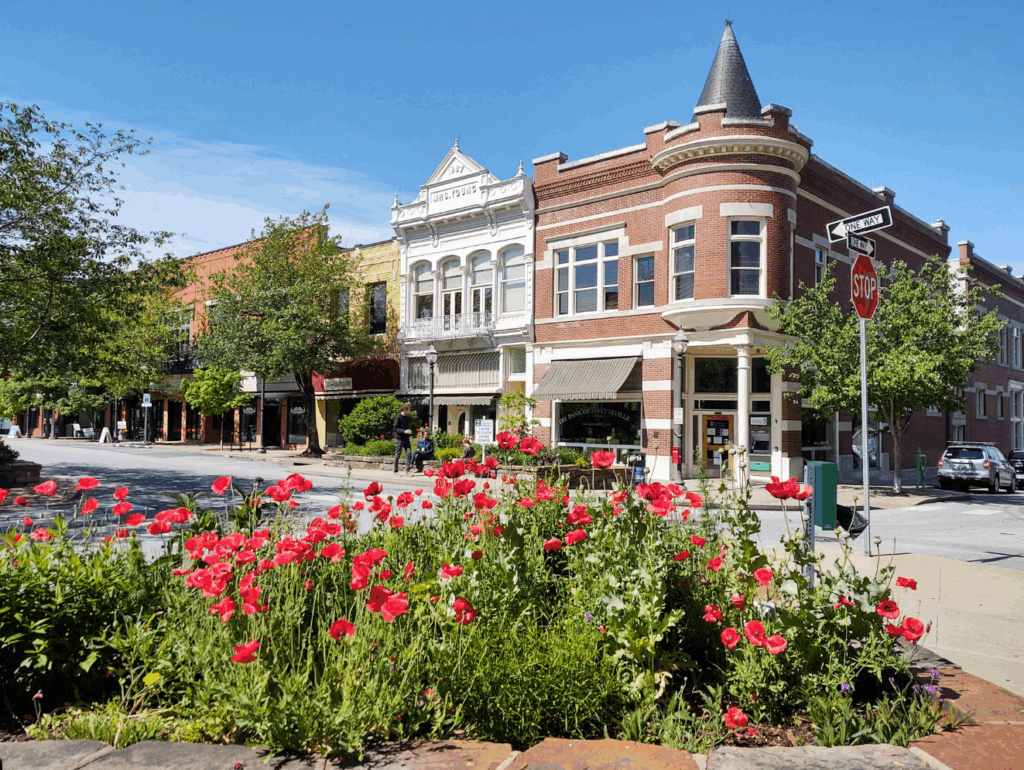
If you’ve called Fayetteville home for any length of time, you know what makes this city different. You’ve driven Dickson Street on a Saturday, maybe heading to a Razorback game or just grabbing dinner at one of the dozens of restaurants that line the street. You’ve probably walked the trails at Lake Fayetteville or Kessler Mountain, breathing in the Ozark air and watching the seasons change over the Boston Mountains. You’ve sat on the Square downtown, watching the courthouse clock tower mark time while people gather for Lights of the Ozarks in winter or farmers market on Saturday mornings.
You know the rhythm of this city. How it’s grown from a college town to one of the fastest-growing metros in America, where tech companies and Fortune 500 headquarters sit alongside historic homes and mountain bike trails. You know the neighborhoods—maybe you’re in Wilson Park with its tree-lined streets and century-old homes, or out in one of the newer developments west of I-49, or in the student-heavy areas near the University of Arkansas campus. You know what it means when someone says they’re “on the hill” versus down in the valley near West Fork.
This is the kind of place where you can walk to coffee shops and breweries downtown, then be on a mountain bike trail in ten minutes. Where your kids might go to school with the children of Walmart executives and local artists alike. Where Saturday afternoons in the fall mean Razorback football and the entire city painted cardinal red. Where your home isn’t just an address on North Street or Mission Boulevard—it’s part of a community that’s simultaneously small-town Arkansas and big-city progressive.
So when you’re facing pre-foreclosure here in Washington County, it doesn’t feel like just a financial problem. It feels deeply personal. It feels like you’re losing your place in a city that’s been growing and thriving while you’ve been struggling just to hold on.
What Pre-Foreclosure Feels Like in a City That’s Booming
There’s something uniquely painful about facing foreclosure in a place like Fayetteville, where everywhere you look, things seem to be getting better for everyone else. New restaurants are opening on Dickson Street. Tech jobs are bringing people from California and Seattle. Home values are climbing year after year. The news talks about how Northwest Arkansas is one of the best places to live in America, one of the fastest-growing regions, a hub of opportunity and innovation.
And here you are, unable to keep up with your mortgage.
Maybe you bought during the growth surge, thinking property values would keep climbing forever. Maybe you’re in one of the older neighborhoods where property taxes have skyrocketed as the city’s grown around you. Maybe you commute to Rogers or Bentonville for work at one of the big corporate offices, and when gas prices jumped or your car needed major repairs, it threw your whole budget into chaos. Maybe you work in retail or service industry—this is still a college town, after all—and your income hasn’t kept pace with the cost of living in one of Arkansas’s most expensive housing markets.
A medical emergency, a job loss, a divorce, an unexpected expense—life happened, and suddenly you’re behind. Not because you’re irresponsible or bad with money. Because you’re human, and sometimes the math just doesn’t work out the way you planned.
And here’s something important to understand: You’re not out of time yet. Pre-foreclosure means you still have options. It means the bank hasn’t taken your home. It means you can still take a breath, think clearly, and make a decision that works for you and your family.
How Foreclosure Actually Works in Arkansas
Let’s talk about what’s really happening, because understanding the process takes away some of the fear and uncertainty. In Arkansas, most foreclosures are what’s called “non-judicial,” which means the bank doesn’t have to go to court to foreclose on your home. This is different from some states where a judge has to approve everything.
Here’s the typical timeline:
The Arkansas Foreclosure Timeline
When You First Miss a Payment: Nothing happens immediately. The lender sends notices. You get phone calls. But they’re not rushing to foreclose—they’d actually prefer to work something out with you because foreclosure costs them money and time too.
After 30-90 Days: The letters get more serious. You start seeing terms like “default notice” or “acceleration clause.” This is where many people start to panic and avoid opening their mail. But you still have time to act.
The Notice of Default and Intent to Sell: Under Arkansas law, your lender must send you written notice before they can sell your home. This notice has to give you at least 30 days and must include:
- The total amount you owe
- The deadline to bring your account current
- A clear statement that if you don’t pay by that date, they intend to sell your property
This notice usually comes by certified mail to your last known address. Whether you’re in a bungalow in Wilson Park, a newer home near the Razorback Greenway, or an apartment-turned-condo near campus, you’ll receive it. This is your official warning that things are getting serious.
The Publication Requirement: Here in Washington County, the lender also has to publish a notice of the foreclosure sale in a local newspaper once a week for two consecutive weeks. The first publication must happen at least 20 days before the scheduled sale date. This is public notice—anyone can see it.
The Foreclosure Sale: If you haven’t been able to work something out or sell the property yourself, your home goes to auction. In Arkansas, this typically happens at the county courthouse. For Washington County, that’s at the courthouse right on the Fayetteville Square.
The sale is public, usually held on a weekday morning. Your home is sold to the highest bidder—sometimes the bank itself buys it back, sometimes it’s an investor looking for properties in one of America’s hottest real estate markets.
After the Sale: Once your home is sold at auction, you typically have to move out quickly. Arkansas doesn’t have a long redemption period like some states do. What’s done is done, and it happens fast.
Here’s What Most People Don’t Realize
The non-judicial process can move faster than you think. But here’s the crucial part: at any point before that auction gavel comes down, you still have options. You can sell the house yourself. You can try to negotiate with the bank. You can explore a short sale if you owe more than the home is worth.
The key is not waiting until the last minute. Not because we’re trying to pressure you—we’re not—but because the earlier you take action, the more choices you have and the better your outcome can be.

Why Fayetteville Homes Are Different
Your home here isn’t like a house in just any Arkansas city. Fayetteville has a character all its own, a unique blend of university town culture, Ozark mountain beauty, and big-city amenities that you can’t find anywhere else in the state.
If you’re in one of the historic neighborhoods—Wilson Park, Mount Nord, Washington-Willow—your home might be a Craftsman bungalow or Victorian with original hardwood floors and built-ins that would cost a fortune to replicate today. If you’re west of I-49 in one of the newer developments, you might have a modern home with an open floor plan, perfect for entertaining or watching Razorback games with friends. If you’re near campus, you might own a rental property that’s been a good investment until it suddenly wasn’t.
Maybe you’ve got a place with a view of the Ozarks from your back deck, or a yard where your kids have climbed the same trees you did when this neighborhood was on the edge of town instead of in the middle of it. Maybe it’s the house you bought when you got that job at Walmart or Tyson or J.B. Hunt, thinking you’d made it to the big leagues. Maybe it’s the cottage you renovated slowly over the years, learning to love the quirks of an older home in an older neighborhood.
These aren’t just addresses on a Washington County property record. They’re places with memories—tailgate parties before the game, front porch evenings watching students walk by, Christmas mornings, graduation celebrations, quiet Sunday mornings with coffee on the deck.
And here’s the truth: properties in Fayetteville have real value, even if you’re behind on payments, even if the house needs some work. You’re in one of the fastest-growing cities in the South, home to the University of Arkansas and the Walton Family Foundation. You’re in a city where major companies are relocating employees and paying top dollar. You’re in Northwest Arkansas, where the job market is strong and people want to live. You’re surrounded by natural beauty—the Ozarks, the trails, Lake Sequoyah, Devil’s Den State Park just twenty minutes away.
That means your home, even in pre-foreclosure, has value to someone. And that value might be your way out of this situation.

The Weight You’re Carrying Right Now
Let’s just be honest about what you’re going through: this is heavy. You’re probably not sleeping well. Every time the phone rings and you don’t recognize the number, your stomach drops. You avoid checking the mail because you’re scared of what might be waiting in the mailbox. You’ve run the numbers a hundred times, trying to figure out how to make it work, but the math just doesn’t add up.
Maybe you’ve thought about asking family for help, but you don’t want to burden them or admit you’re struggling. Maybe you’re embarrassed because you feel like you should have handled this better, planned better, saved more. If you’re married, this might be causing tension in your relationship—money stress always does. If you’re on your own, the isolation might be crushing because you feel like you have no one to talk to about it.
Maybe you drive through the nicer parts of town—past the new developments in west Fayetteville, past the beautifully maintained homes in Wilson Park—and feel like a failure because you can’t keep up. Maybe you see all the “we buy houses” signs and wonder if they’re legitimate or if you’d just be getting scammed by someone trying to take advantage of your desperation.
You might be praying about it, laying it down, trying to trust that God will provide a way—and some days that brings peace, and some days it doesn’t seem like enough.
Here’s what we want you to know: This situation doesn’t define who you are. You’re not a failure. You’re not irresponsible. You’re not less-than. You’re a person facing an incredibly difficult situation in one of the most expensive housing markets in Arkansas, and you’re trying to figure out the best path forward.
The fact that you’re reading this right now means you’re actively looking for solutions. That takes courage. A lot of people in your situation just shut down, ignore the problem, and hope it goes away. You’re not doing that. You’re here, you’re reading, you’re thinking. That matters.
Your Options
There’s no urgency here. No one’s going to push you into anything. We just want you to understand what’s actually possible, because sometimes knowing you have choices makes it easier to breathe and think clearly.
Option 1: Catch Up on Payments
If you’ve come into some money—maybe an inheritance, a bonus at work, help from family—you can pay what you owe and get your account current. This stops the foreclosure process immediately. If this is realistic for you, great. Problem solved.
But if you’re reading this page, it’s probably because that’s not an option right now. And that’s okay. There are other paths forward.
Option 2: Loan Modification or Forbearance
You can try working directly with your lender to modify your loan. Sometimes they’ll lower your payment, extend the term, defer some of what you owe, or in rare cases even reduce the principal. Sometimes they’ll agree to forbearance, which means you pause or reduce payments temporarily while you get back on your feet.
This can work, but it’s slow. There’s extensive paperwork. Lots of phone calls. Long wait times. And there’s no guarantee they’ll approve it—they’re under no obligation to help.
If you want to try this route, we support that. But understand it takes time, and time might be something you’re running short on.
Option 3: Sell Your Home Yourself
If you have equity in your home—meaning it’s worth more than you owe—you could list it with a real estate agent and try to sell it the traditional way. You’d pay off the mortgage, cover the closing costs and agent commissions (usually 5-6%), and keep whatever’s left over.
The challenge? Traditional sales take time. Even in a hot market like Fayetteville where homes are moving fast, it could still take weeks to find the right buyer, especially if your home needs repairs or updates, or if it’s in a less desirable location. And if you’re already in pre-foreclosure, you might not have that kind of time. Plus, getting your house “show ready” can feel overwhelming when you’re already stressed about money.
Option 4: Short Sale
If you owe more on your house than it’s worth—which can happen even in a growing market if you bought at the peak or took out too much equity—a short sale might be possible. This is where the bank agrees to let you sell the home for less than the mortgage balance. They take a loss, but it’s better for them than going through foreclosure.
Short sales can help you avoid foreclosure on your credit report, but they’re complicated and slow. The bank has to approve every step, which can take months. And you still have to find a buyer willing to wait through the entire approval process. Many buyers won’t.
Option 5: Sell Directly to a Cash Buyer
This is where we come in, and it’s the option that brings the most relief to people in your situation.
Here’s how it works: We buy houses directly, in any condition, in any situation. You don’t have to fix anything. You don’t have to clean anything. You don’t have to stage it or wait months for the right buyer or deal with bank approval processes.
We look at your home, we look at your situation, and we make you a fair cash offer. If you accept it, we handle all the details—the paperwork, the title work, the closing, everything. You can close in as little as a week or two if you need to move fast, or we can work on your timeline if you need a little more time to make arrangements.
No real estate agent commissions eating into your proceeds. No closing costs coming out of your pocket. No judgment about your situation or why you’re selling.
You walk away without the weight of the mortgage hanging over you, without the foreclosure on your record, and you can start the next chapter of your life with a clean slate.
Why People in Fayetteville Choose This Route
We’ve worked with families all over Washington County—people with homes in Wilson Park, people in the developments off Wedington Drive, people with properties near campus, people in the neighborhoods around Lake Fayetteville. Here’s what they tell us:
“We just needed it to be over.” The constant stress of waiting, wondering, dealing with the lender—it was exhausting. Selling quickly gave them immediate peace of mind.
“We didn’t have the money to fix it up.” Many homes in pre-foreclosure need repairs. Selling to us meant they didn’t have to come up with thousands of dollars they didn’t have to make their 1920s bungalow or 1970s ranch house market-ready.
“We didn’t want it to become public.” A foreclosure sale at the courthouse on the Square is a matter of public record, and in a city like Fayetteville where everyone seems connected through the university or local business community, privacy matters. Selling privately is quiet, dignified, and nobody has to know your business.
“We needed to move on with our lives.” Whether they were relocating for a different job, dealing with a divorce, moving to be closer to family, or just needed a fresh start somewhere with a lower cost of living, a quick sale let them close that chapter and move forward.
“The property taxes and insurance kept going up.” As Fayetteville’s grown, so have property values, and with them, tax assessments and insurance premiums. For people on fixed incomes or tight budgets, these increases can push a manageable mortgage into unaffordable territory.
“We inherited the house and couldn’t afford to keep it.” This is surprisingly common in the older neighborhoods—someone inherits grandma’s house in Wilson Park or Mount Nord, but they already own their own home and can’t afford to maintain two properties or deal with being a landlord.
What Makes Fayetteville Special
Let’s talk about this city for a minute, because it deserves recognition.
Fayetteville started as a small Ozark mountain community in the 1820s, built on a plateau in the Boston Mountains. The University of Arkansas was founded here in 1871, and from that point forward, the city’s identity has been intertwined with the school. Old Main, the iconic building at the heart of campus, has stood since 1875. Senior Walk, where every graduate’s name is etched into the concrete, stretches for miles across campus and downtown.
For most of its history, Fayetteville was a sleepy college town surrounded by chicken farms and apple orchards. Then came Walmart, founded in nearby Bentonville in 1962. Then came Tyson Foods and J.B. Hunt. Northwest Arkansas exploded, and Fayetteville evolved from a small college town into a sophisticated city that somehow maintained its mountain charm and progressive culture.
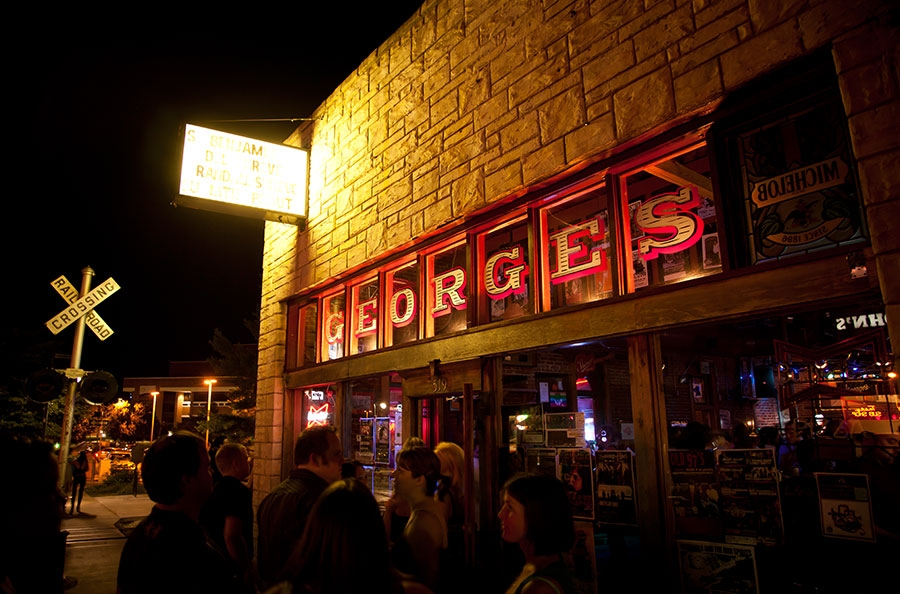
Today, Fayetteville is known for its trails—over 40 miles of paved Razorback Greenway connecting it to Bentonville, plus countless mountain bike trails that draw riders from across the country. It’s known for Dickson Street, the entertainment district where students and locals mix at restaurants, bars, and music venues. It’s known for the Square, where the farmers market is one of the best in the state and where the entire community gathers for First Thursday and Lights of the Ozarks.
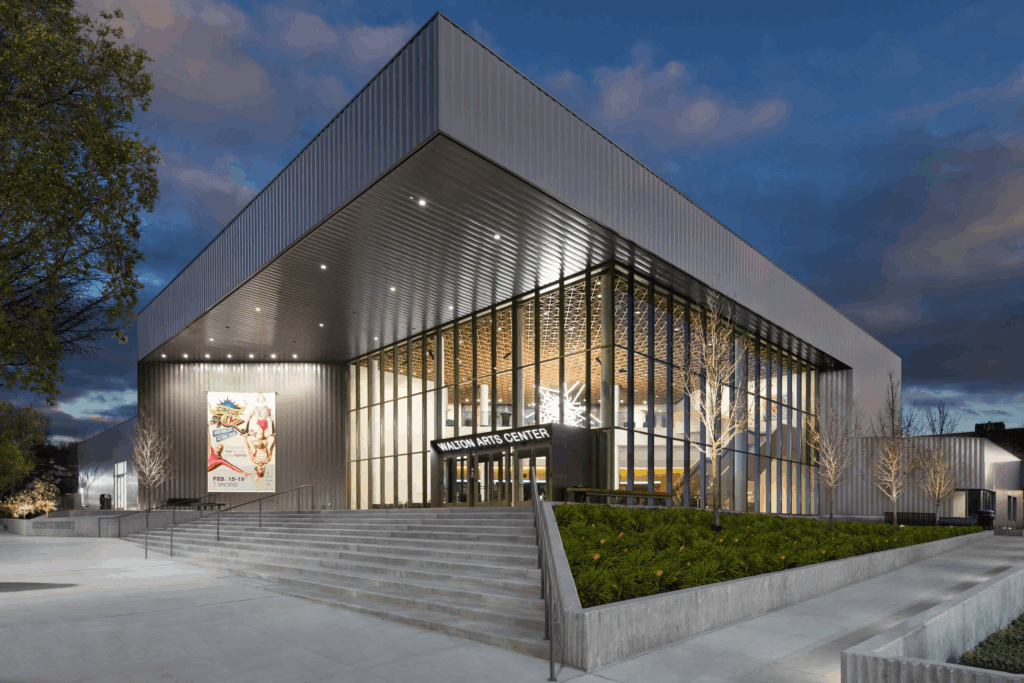
It’s known for being simultaneously progressive and traditional—a place where you can get craft cocktails and vegan cuisine downtown, then drive ten minutes and be at a church potluck or a farm selling fresh eggs. Where the Walton Arts Center brings world-class performances, and the Botanical Garden showcases Ozark native plants. Where tech startups and Fortune 500 companies coexist with family-owned businesses that have been here for generations.
This is a city that’s grown explosively while keeping its soul. Where people care about trails and green space and local food. Where kids can walk to school in safe neighborhoods. Where you can be in the wilderness in fifteen minutes but have access to amenities you’d find in much larger cities.
If your home is part of this place—whether it’s in one of the historic neighborhoods near downtown, or in a newer subdivision west of town, or near campus, or tucked into the hills with a view of the Ozarks—it has value. Real value to someone who’s looking for what Fayetteville offers.
And that includes us.
No Pressure. No Games. Just Honest Help.
We’re not here to pressure you into anything. We’re not going to tell you that you have to decide today, or that this is your only chance, or any of the high-pressure tactics you might have experienced from other companies or seen on those “we buy houses” billboards all over Northwest Arkansas. That’s not how we work, and it’s not how we’d want to be treated if we were in your shoes.
What we are here to do is give you an option that might bring some relief. If you want to talk, we’ll listen without judgment. If you want to ask questions, we’ll answer them honestly and completely. If you need time to think about it and talk it over with family, take all the time you need.
This is your home. Your decision. Your life. We’re just here to help if that’s what you want.
What Happens If You Reach Out
If you decide to call or fill out the form on this page, here’s exactly what happens next:
- We’ll have a conversation. No pressure, no sales pitch. Just an honest talk about your situation, your home, what you owe, and what you’re hoping to accomplish.
- We’ll come look at your property. If you’re comfortable with it, we’ll schedule a time to come by and see the house. We’ll ask some questions about the condition, the neighborhood, your timeline, and what’s important to you.
- We’ll make you a fair cash offer. Usually within 24-48 hours, we’ll come back with an offer in writing. No obligation whatsoever. If it works for you, wonderful. If it doesn’t, that’s completely okay too.
- You take whatever time you need to decide. Think about it. Pray about it. Talk it over with your spouse, your kids, your parents, your trusted friends. Sleep on it. We’ll be here when you’re ready.
- If you accept, we take care of everything. We work with a local title company, we handle all the paperwork and legal details, and we make the process as smooth and stress-free as possible. You don’t have to worry about a single thing.
This Isn’t the End of Your Story
Whatever happens with this house, it’s not the end of your story. You’re going to be okay. Maybe that’s hard to believe right now, but it’s true.
Losing a home is painful. It’s one of the hardest things a person can go through, especially in a place like Fayetteville where home values and property ownership can feel like a measure of success in a booming economy. But it’s not the total of who you are or what you’re capable of building in the future.
People come back from this. People rebuild their lives and their credit. People find new places to call home, new rhythms, new peace. You will too. You’re stronger than you think, and you have more resources—internal and external—than you probably realize right now.
Right now, you just need to take the next step. And if that next step is reaching out to us to explore your options, we’ll be here to walk through it with you.
Frequently Asked Questions
What is pre-foreclosure and how does it work?
Pre-foreclosure is that window of time between when you fall behind on your mortgage and when your home is actually sold at auction. It’s the warning phase—the bank has started the foreclosure process, but your home still legally belongs to you. Here in Arkansas, this typically starts after you’ve missed several payments and your lender sends a Notice of Default and Intent to Sell. During pre-foreclosure, you still live in your home, you still own it, and most importantly, you still have the power to decide what happens next. In Washington County, you’ll see the notice published in a local newspaper, and by law you have at least 30 days from that official notice before any sale can take place. This window is your opportunity—you can catch up on payments if possible, work out a deal with your lender, or sell the property on your own terms before the bank takes control. Pre-foreclosure feels terrifying because the language in the letters is intimidating and official, but it’s actually the period when you still have the most options and the most control over the outcome.
Can I sell my house during pre-foreclosure?
Absolutely, yes. And honestly, selling during pre-foreclosure is often the smartest decision you can make. It’s completely legal and actually quite common. Your home is still yours until that auction actually happens, which means you have every right to sell it just like any other time—the only difference is you need to move faster than a traditional sale typically allows. Here in Fayetteville, if you listed your home in Wilson Park or near the Razorback Greenway with a regular real estate agent, you might wait several weeks for the right buyer, even in this hot market, and your house would need to be in good showing condition. But when you’re in pre-foreclosure, you don’t have months to wait, and you probably don’t have the money or emotional energy to do repairs, update that outdated kitchen, stage the house, and keep it spotless for showings. That’s exactly why selling directly to a cash buyer makes sense for so many people in your situation. We can close in as little as 7-10 days if needed, which gives you plenty of time to pay off the mortgage before the foreclosure sale happens. You walk away without the foreclosure hitting your credit report, and you’re not scrambling in panic at the last possible moment. Plenty of homeowners throughout Washington County have sold during pre-foreclosure and moved forward with their dignity and credit intact.
How long do I have before my house goes to foreclosure?
The honest answer is: it depends on exactly where you are in the process, but Arkansas doesn’t give you as much time as some other states do. Once your lender sends that official Notice of Default and Intent to Sell, you’re looking at a minimum of 30 days before they can schedule the auction. But here’s what people don’t always realize—by the time you receive that notice, you’ve usually already been behind for several months. Most lenders don’t start foreclosure proceedings until you’re 90-120 days delinquent. So from your very first missed payment to the actual foreclosure auction, you might have four to six months total. But the second half of that timeline moves very fast. Once the notice goes out and gets published in the newspaper here in Washington County, the clock is really ticking. If you’re reading this and you’ve already received that official notice, don’t waste another week hoping things will magically work themselves out. You probably have a few weeks, maybe a month or two at most. That’s enough time to sell your home if you act now, but it’s not enough time to procrastinate or keep waiting for the perfect solution to appear. Every day you wait is a day closer to losing your options entirely. If you’re earlier in the process—maybe you’ve just received your first default letter—you have more breathing room, but you should still treat it seriously and start exploring your options right now while you still have time to make good decisions.
Will selling my house in pre-foreclosure stop foreclosure?
Yes, it absolutely will—if you sell in time and for enough to cover what you owe on the mortgage. When you sell your home and the mortgage gets paid off completely, the foreclosure process stops immediately because there’s nothing left to foreclose on. The debt is satisfied, the bank gets their money, you get whatever’s left over, and you’re done. Your credit will show the late payments you already made, but you avoid the actual foreclosure, which is far more damaging and stays on your credit report for seven years. Even if your home is worth less than what you owe—which can happen even in a market like Fayetteville’s if you bought at the wrong time or took out too much equity—selling can still stop foreclosure if your lender agrees to a short sale, where they accept less than the full mortgage balance. We’ve helped homeowners in Fayetteville and throughout Washington County do exactly this—we negotiate with their bank so they can sell, pay off what they can, and walk away without the foreclosure hanging over their head like a dark cloud. The key is acting while you still have time on your side. Once that auction date is set and you’re down to the final few days, it becomes much harder and sometimes impossible to pull off. But if you reach out early enough in the process, selling your home is absolutely an effective way to stop foreclosure in its tracks and move forward with a much cleaner financial slate.
What happens if I do nothing during pre-foreclosure?
If you do nothing, the process moves forward on its own timeline, and it doesn’t end well for you. Your lender will continue with the foreclosure proceedings, your home will be sold at public auction on the steps of the Washington County courthouse right there on the Fayetteville Square, and you’ll lose the house. Depending on what the property sells for at auction and how much you owed, you might still owe money after it’s gone—Arkansas allows what are called deficiency judgments, which means if your house sells for less than your remaining mortgage balance, the bank can sue you for the difference. So you lose your home and potentially still owe thousands of dollars. The foreclosure goes on your credit report and destroys your credit score, making it incredibly difficult to rent a decent place in Fayetteville’s competitive rental market, get approved for a car loan, or qualify for another mortgage for at least seven years. If you’re still living in the house up until the sale, you’ll eventually be forced to leave, and if you don’t leave voluntarily, the new owner can start eviction proceedings against you. Beyond the financial and legal consequences, there’s the emotional and social toll. A foreclosure sale is public record—it’s published in the newspaper, it happens at the courthouse in the middle of town, and in a community like Fayetteville where people are connected through the university, local business, and social networks, it’s harder to keep private. On a personal level, doing nothing usually comes from feeling completely paralyzed—overwhelmed, ashamed, not knowing where to turn for help—but that paralysis only makes the outcome worse. The hardest part is taking that first step and making that first phone call, but once you do, you’ll find there are more options available than you realized. Doing nothing guarantees the worst possible outcome. Doing something—even if it’s just reaching out to have a conversation—opens up real possibilities for a better ending to this chapter.
Will selling to you hurt my credit less than a foreclosure?
Yes, significantly. A foreclosure stays on your credit report for seven years and causes massive damage to your credit score—often dropping it by 200-300 points or more. Selling your home, even when you’re behind on payments, shows that you took responsibility and resolved the debt. You’ll still have a record of the late payments you made, which does affect your score, but it’s nowhere near as devastating as an actual foreclosure. Many lenders view someone who sold their home to avoid foreclosure much more favorably than someone who let it go all the way to auction. It shows character and responsibility even in difficult circumstances.
What if I owe more than the house is worth?
We can still help. Sometimes we can work directly with your lender to negotiate what’s called a short sale, where they agree to accept less than the full payoff amount. We’ve done this many times and understand how to navigate the process. It takes some time and paperwork, but it’s absolutely possible, and it’s still much better for your credit than a foreclosure. Even in Fayetteville’s strong market, there are situations where people are underwater—maybe they bought at the peak, maybe they refinanced and took out too much equity, maybe they bought with a minimal down payment and haven’t built much equity yet.
Do I have to pay any fees or commissions?
No. We don’t charge any fees, and there are no real estate agent commissions. We make you an offer, and if you accept it, that’s the amount you receive. We handle all the closing costs on our end. What we offer is what you get.
How quickly can we close?
As fast as you need us to. We can close in as little as 7-10 days if time is critical and you’re up against a foreclosure deadline. Or we can wait a few weeks if you need more time to figure out your next living situation and make moving arrangements. We work on your timeline.
What if my house needs a lot of work?
Doesn’t matter to us at all. We buy houses in any condition. We’ve bought homes that needed new roofs, new HVAC systems, foundation repairs, complete renovations—you name it, we’ve seen it and bought it. If you’re in one of the older neighborhoods like Wilson Park or Mount Nord with a house that has original plumbing and electrical, deferred maintenance, or needs updating, that’s fine. If you’re in a newer house that just needs cosmetic work, that’s fine too. You don’t have to fix a single thing or spend a single dollar on repairs.
Can I stay in the house for a little while after we close?
In many cases, yes. If you need a few extra days or even a couple of weeks after closing to move out and get settled somewhere else, we can often work that into the agreement. Just let us know what you need, and we’ll do our best to accommodate your situation.
What parts of Washington County do you cover?
All of it. Whether you’re in Fayetteville proper, out in Farmington, Johnson, Greenland, West Fork, Prairie Grove, or anywhere else in Washington County, we’re interested in helping. We work throughout the entire area.
Take a Breath. You’ve Got This.
You’ve made it all the way through this page, which means you’re seriously thinking about your options and looking for a way forward. That’s good. That’s really, really good.
Whatever you decide to do, please know that you’re not alone in this. Thousands of people have been exactly where you are right now, facing the same fear and uncertainty, and they found a way through. You will too.
If you want to talk with someone who will listen without judgment and help you understand your options, we’re here. No pressure. No sales tactics. Just an honest conversation about what might be possible for you.
Titan Property Investors
Your trusted partner in real estate
Address
731 S. 7th St.
Heber Springs, AR 72543
Phone
Send us a message
We’d love to hear from you. Fill out the form below.