Pre-Foreclosure Help in Bentonville, Arkansas

You Know This City. You Know This Life.
If you live in Bentonville, you don’t just know a place on a map — you know a set of rhythms. You know the weekend bustle on the Square, the way Crystal Bridges brings art and quiet trails into the middle of town, the morning bike riders on the Razorback Greenway, and the hum of people doing the work that keeps a region moving. You know that big things happen here — global retail decisions, ambitious new developments — and you also know the local rituals: farmers market Saturdays, summer concerts on the Square, the dirt under your bike tires on Slaughter Pen trails, the church potlucks that save the day when times get tight.
Bentonville grew up fast. Where generations once farmed, new neighborhoods and corporate campuses emerged. The city now hosts a mixture few cities have: world-class museums and small, earnest neighborhood churches; Michelin-starred visits and hole-in-the-wall tacos; high-priced new housing and long-standing families who’ve been here for decades. That mix makes this city vibrant — and it also means when financial trouble comes, it doesn’t feel like something that happens to “someone else.” When you’re behind on your mortgage here, it’s wrapped in the sound of local routines and the faces you see every week.
If the letters are starting to arrive, if the calls are waking you up at night, know this first: your feelings are valid, and your situation is fixable. Pre-foreclosure is a scary phrase, but it’s a window — one that still contains options. This page will explain what’s happening in plain English, lay out the options available to Bentonville homeowners, and ground everything in the city you know: its neighborhoods, its employers, its schools, and its community values.
What Pre-Foreclosure Feels Like in Bentonville
Bentonville is not anonymous. You run into people at the coffee shop on the Square, at the art museum, at the bike shop, and in line at the local taquería. That’s part of what makes this place so warm — and part of what makes the weight of financial trouble feel so public. When you’re missing payments, the fear isn’t only about numbers on a page; it’s about the ripple effects:
- The dread of that certified letter arriving and what it means for your family.
- The thought of neighbors finding out, or worse, seeing your house on a public listing for sale at auction.
- The late-night math: “If I skip groceries this week and sell this, am I saving the house?”
- The tension at church or PTA meetings when you smile but feel like you’re unraveling inside.
You might be juggling irregular hours, a job move, or health bills. Maybe you took on the mortgage when the market was hotter and the neighborhood seemed like an endless rise, only to find that life’s curveballs — layoffs, medical bills, a vehicle failure — made the payments impossible. Here, many households are deeply proud and privately resourceful. Pride can help you pull through, but it can also keep you from asking for the help you need early enough. That’s why this guide focuses on clear, shame-free information and practical next steps so you can keep control of the story.

Crystal Bridges is a civic anchor in Bentonville — a place the whole region recognizes, a museum built where trails and art meet, drawing visitors and reminding locals that their town is more than just commerce.
How Foreclosure Actually Works in Arkansas
Fear escalates quickly when the words “foreclosure” or “intent to sell” enter your mailbox. But understanding the process can pull back some of the fog.
In Arkansas, many mortgage foreclosures follow a non-judicial process. Practically speaking, that often means the lender can begin steps to sell the property without needing to file a lawsuit that goes to trial. The lender still must follow legal notice and publication rules, but the path can be faster than judicial foreclosures used in some other states. Knowing that timeline — and where you are on it — is the single most useful tactical advantage you can have.
Because Bentonville is the county seat of Benton County and home to many corporate and cultural landmarks, there’s often extra attention paid to how quickly notices are published and where sales occur. The county courthouse — where auctions and public filings happen — is the administrative center for these processes, and local newspapers and legal notices list upcoming sales. If you see your property’s notice in the Benton County legal notices, it’s time to act quickly.
The Arkansas Foreclosure Timeline
Let’s unpack the common steps you’ll see, with plain, actionable notes for Bentonville homeowners.
When You First Miss a Payment
- Reality: The first missed payment usually triggers a phone call and a letter. Lenders frequently tolerate a small number of missed payments before starting formal proceedings — but the calls and letters intensify. This is the place to begin tracking everything: write down dates and names of callers; keep mailed notices in a folder.
After 30–90 Days (Escalation Phase)
- Reality: If payments continue to be missed, the lender’s language becomes sterner. You’ll start seeing phrases like “default,” “intent to accelerate,” or “demand for payment.” This is the moment many people freeze — but it’s precisely the moment to begin active problem-solving. You have leverage here, but the window narrows as time passes.
Notice of Default and Intent to Sell
- Reality: Under Arkansas practice, the lender will formally notify you in writing — normally by certified mail — that the loan is in default and that they intend to sell the property if it isn’t brought current. The notice must include the amount required to cure the default and the deadline to do so. Read this notice carefully. Often the deadline will be at least 30 days from the notice, but the important thing is the publication deadline that follows.
Publication Requirement & County Procedures
- Reality: A public notice of the sale must be published as required by Arkansas practice — typically in the county newspaper servicing the courthouse where the property is recorded. Bentonville properties will appear in Benton County legal notices. The publication schedule and courthouse auction process mean that once publication begins, you’re often in the final countdown. Local legal pages and the county clerk’s office list upcoming judicial sales, and monitoring those listings is a way to track your property’s status.
Foreclosure Sale (Auction)
- Reality: If the debt isn’t resolved, the property can be sold at public auction, typically at the county courthouse. The sale is public, and the highest bidder wins. Often the bank will be the high bidder, meaning they take back the property.
After the Sale
- Reality: Arkansas often allows little room for redemption after sale. Once the property changes hands at auction, you may be required to vacate. Moreover, if the auction proceeds don’t cover the mortgage balance, lenders may pursue a deficiency judgment for the remaining balance, depending on the loan terms and specific legal details.
Here’s What Most People Don’t Realize
It’s tempting to assume the letter in the mailbox means the home is already lost. That’s not true. Until the auction gavel falls, you still own the property — and ownership gives you options:
- You can sell the home yourself (if you act quickly).
- You can attempt a loan modification or forbearance with the lender.
- You can pursue a short sale if you owe more than the property is worth.
- You can sell to a cash buyer who will close quickly and quietly.
Each path has trade-offs. Acting early increases the number of choices and the control you’ll have over the outcome. Waiting — hoping the problem will go away — is the single most common misstep that removes options.

Why Bentonville Homes Are Different
Bentonville is unique in ways that actually matter when you’re thinking about options during pre-foreclosure:
- A strong local demand: The city is part of one of the fastest-growing metro areas in the region. People move here for jobs, culture, and outdoor life. That demand supports home values in many neighborhoods. (Bentonville itself has seen rapid population growth in recent years.)
- Employment backbone and volatility: Major employers — especially retail and corporate offices connected to Walmart — create stable job opportunities for many. That stability can mean a larger pool of buyers and renters who want to live here. But it can also mean local economic shifts (consolidations, corporate moves) can ripple fast.
- Lifestyle value: Parks, trails, and institutions like Crystal Bridges make Bentonville desirable to families and professionals who value quality of life. That desirability preserves buyer interest even when a house needs work.
All of this means that, even in pre-foreclosure, a Bentonville home can hold real value — value that can be converted into options like a sale to a local buyer, a short sale negotiation, or a fast cash purchase that lets you avoid the public auction.
The Weight You’re Carrying Right Now
Let’s be honest. This is heavy.
You are probably:
- Not sleeping.
- Re-running the numbers in your head on a loop.
- Feeling ashamed to tell friends or neighbors.
- Worrying about whether your kids will notice changes at school.
- Questioning whether you made the right decisions, or whether you had options earlier.
If you’re working long shifts, balancing childcare, or worrying about health bills — the stress compounds. And in a place like Bentonville — where public life intersects with private life — that stress can feel amplified. But the reality is: this moment does not define you. It’s a solvable situation, and how you approach it now will determine how quickly you regain control.
Tactical empathy — the kind that professional negotiators use — starts by naming the fear: “This is embarrassing and overwhelming.” Hearing it out loud reduces its power. That’s what we aim to do for you: acknowledge the pain, then present real options without pressure.
Your Options
Below are the paths homeowners choose most often. I’ll explain each with practical details for Bentonville residents.
Option 1: Catch Up on Payments
What it is: You bring the mortgage current by paying the arrears, late fees, and any associated costs.
How it works in practice: If you can get a one-time source of money — family help, litigation settlement, a bonus, or a short-term loan — paying the lender stops foreclosure immediately. The bank then processes the payment and updates the account status to ‘current’.
Timeline: Immediate once funds clear and the lender processes them.
Pros: Keeps you in your home; avoids further legal and credit consequences beyond the late payments.
Cons: Requires a lump sum you may not have. Borrowing to pay arrears can be risky if you don’t have a sustainable plan for ongoing payments.
Bentonville note: Because Bentonville has a mix of high-paying corporate jobs and service jobs, families sometimes find short-term bridge solutions through employer advances or community networks. If you’re connected to local organizations or your employer, explore whether short-term assistance is available before you pivot to other options.
Option 2: Loan Modification or Forbearance
What it is: You request that the lender change loan terms (lower monthly payments, extend the term, or provide temporary relief).
How it works in practice: Call your lender’s loss mitigation or workout department. They will request documentation: pay stubs, tax returns, hardship letter. If approved, you may receive a modified payment plan, a reduced payment, or a forbearance agreement that temporarily pauses or reduces payments.
Timeline: Several weeks to months; paperwork and bank review take time.
Pros: Keeps you in the home; can make monthly payments affordable again.
Cons: Approval is not guaranteed; the process can be bureaucratic and slow.
Bentonville note: Be clear and honest about your employment situation — summer seasonal work, overtime fluctuations, or a recent corporate restructuring at area employers can all be documented. A concise hardship letter that explains the cause and the likely timeline for recovery improves approval chances.
Option 3: Sell Your Home Traditionally
What it is: You put the house on the open market with a realtor.
How it works in practice: Hire a local agent, prepare the house for market (repairs, staging), and list. With enough buyer interest, the house sells, pays off the mortgage, and you walk away with any remaining equity.
Timeline: Usually weeks to months.
Pros: Potential to maximize the sales price; best if you have equity and time.
Cons: Slow; requires showings, repairs, commissions, and closing costs; risk of not selling before foreclosure deadlines.
Bentonville note: The Bentonville market has demand due to culture and employers, but even here, traditional sales can be too slow if the foreclosure timeline is short. If you have significant equity and time, this can be the best financial outcome — but only if timing aligns.
Option 4: Short Sale
What it is: You and your lender agree to sell the home for less than the outstanding mortgage balance; the lender accepts the lesser payoff to avoid foreclosure.
How it works in practice: You list the house and accept an offer, then submit the package to the lender for approval. The bank evaluates the buyer’s offer, the homeowner’s hardship, and comparable sales before deciding.
Timeline: Months — lender approval is the slowest part.
Pros: Avoids foreclosure on your credit in many cases; can release you from a higher balance than a buyer would pay.
Cons: Bank approval is unpredictable; potential tax consequences; protracted timeline.
Bentonville note: If market comps show downward pressure or the home needs work, short sales are a routine route. Using an agent experienced with short sale negotiation — particularly one familiar with Benton County approaches and local lenders — improves the chance of a successful approval.
Option 5: Sell Directly to a Cash Buyer
What it is: You sell the property to an investor or cash buyer who purchases homes as-is, often fast and with minimal conditions.
How it works in practice: You receive a written cash offer. The buyer (or their title company) handles closing and covers many standard costs. You avoid showings, repairs, and escrow contingencies.
Timeline: As little as 7–14 days, depending on title work.
Pros: Speed, privacy, no repairs, no agent commissions, ability to avoid public foreclosure and auction.
Cons: Offer price is often below retail market value — but time, stress, and fees are significantly reduced.
Why this often makes sense in Bentonville: For homeowners who value privacy (to avoid notices on the Square or visibility at local events) or who don’t have the time or money for repairs, the cash sale is a clean resolution. It’s especially helpful when the publication period has already begun and the auction is approaching.

Why People in Bentonville Choose This Route
When we ask former clients what pushed them to sell fast, the answers often read the same:
- “We needed it over.” The relentless stress of calls, notices, and sleepless nights made fast certainty worth accepting less money.
- “We didn’t have the money to fix it.” Many houses in pre-foreclosure need repairs — sometimes major ones. A cash buyer removes that problem.
- “We wanted to keep it quiet.” In a place where people meet each other at cultural institutions and local businesses, privacy matters. A direct sale means no public auction notice and less community attention.
- “We wanted to restart quickly.” After sale, families can find rentals, focus on work, and rebuild credit without the drag of looming auction dates.
For many Bentonville homeowners, the relief of removing the immediate pressure outweighs the potential extra dollars from a longer traditional sale — especially when time is limited.
What Makes Bentonville Special
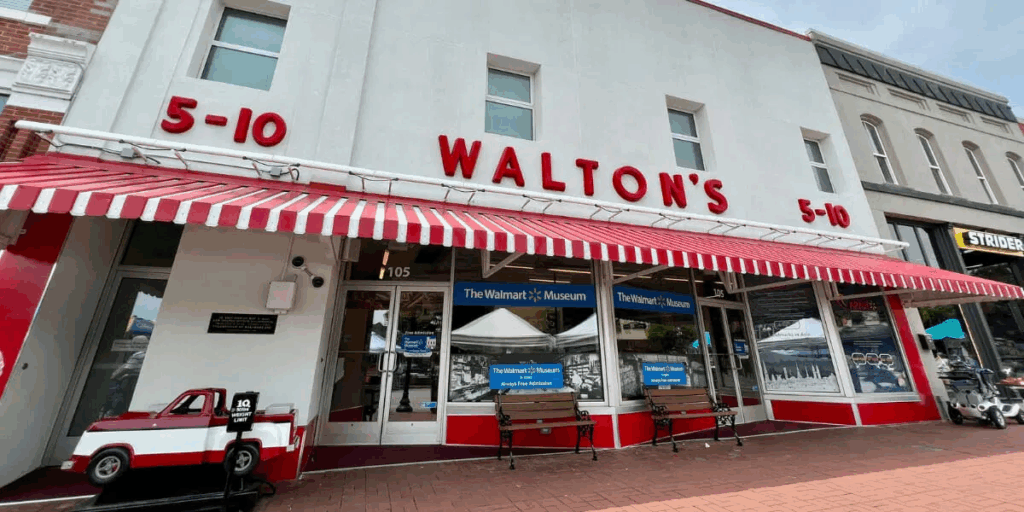
Bentonville’s story is distinctive: it’s the birthplace of a global retailer, and that origin shaped a small, ambitious town into an internationally known community. The city’s identity is visible in many ways — a national museum built into forested trails, a music venue hosting touring acts, corporate campuses that draw professionals from across the country, and neighborhood bakeries that know your name.
A few practical reasons this matters for homeowners:
- Demand from professionals and creatives: The cultural investments like Crystal Bridges and the growing culinary scene attract people who value the area — which sustains demand for local housing.
- Proximity to jobs: The Walmart Home Office and related business ecosystem provide employment and attract relocating workers, which can mean a strong buyer pool.
- Trails and quality-of-life amenities: The Greenway and trail systems create lifestyle appeal for families and individuals who want outdoor access in-town.
Even if your property needs work or is in a neighborhood that’s changed over time, the city’s desirability creates pathways to sell — particularly for buyers who value location over condition. That is real leverage for you, even in pre-foreclosure.
We Hear You
Here’s what tactical empathy sounds like when we talk to homeowners:
- “I can hear how exhausted you are — there’s so much to juggle.”
- “It’s understandable to be worried about what neighbors will think; privacy matters.”
- “The paperwork is confusing, and you shouldn’t feel ashamed for not knowing every legal term.”
Naming those fears breaks their hold. Saying out loud, “This is overwhelming and I don’t know what to do,” is a strong first step. It gives us something concrete to work with. Lenders respond better to organized, documented hardship, not to avoidance. Our approach is to be clear and calm: identify where you are on the timeline, gather the key documents, and choose the fastest path that meets your priorities — whether that’s staying in the house, protecting credit, or moving quickly and privately.
Practical Checklist — Documents & First Steps
Gathering documents now speeds every option. Make a folder (physical or digital) and collect:
- Your mortgage statement(s) showing account number and balance.
- Any foreclosure notices received (Notice of Default/Intent to Sell). Keep originals.
- Recent pay stubs (last two to three months).
- Most recent tax returns (1–2 years).
- Bank statements (last two months).
- A short hardship letter — in your words — stating why you fell behind and what changed.
- Photo ID.
- A copy of the deed or property tax notice (to confirm county recording).
- Notes of any communications with the lender (date, name, summary).
First steps this week:
- Read any certified mail carefully and note deadlines.
- Call the lender’s loss mitigation number (on your mortgage statement) and ask what documentation they need for a loan modification or forbearance.
- If publication of sale has been announced, contact a local title company or experienced cash buyer to explore a quick sale option.
- Contact a HUD-certified housing counselor — they provide free, impartial counseling and can sometimes intervene on paperwork.
- If English is not your first language, bring someone who can translate or request translated materials; this is common and reasonable.
Timeline Scenarios — What to Expect (Early, Mid, Late)
Early Stage (Missed 1–2 payments; no formal notice yet):
- You have the most flexibility. Loan modification or a repayment plan is feasible. Traditional sale can still be an option if you have time.
Mid Stage (60–120 days delinquent; notices increasing):
- The lender may be preparing a Notice of Intent to Sell. Modify attempts are still possible but require prompt documentation. Short sales begin to be realistic.
Late Stage (Notice issued; publication started; auction scheduled):
- Time is very short. Short sales are challenging but not impossible with urgent coordination. Cash buyers often offer the most reliable way to stop the clock. Act now.
Local Resources — Who to Call, Where to Go
These are the types of organizations that can help — I recommend contacting them early:
- HUD-certified housing counselors: Free guidance on loss mitigation, loan mods, and realistic next steps.
- Local legal aid or pro bono clinics: Advice about rights, deficiency judgments, and eviction rules.
- Title companies familiar with Benton County: For quick closings and clear title checks.
- Community faith groups and nonprofits: Emergency funds, referral services, and practical assistance.
- Trusted local realtors experienced with short sales and investor buyers: They know how local lenders review requests and what comps matter in Bentonville.
(When you’re ready to publish, we can add a curated list of specific phone numbers and local office addresses.)
If You Choose to Sell to a Cash Buyer — Step-by-Step
- Initial call: A short, respectful conversation — no pressure — to understand your timeline and priorities.
- Property review: Either a quick in-person visit or a photo/video assessment.
- Written offer: A clear, no-surprises cash offer with the terms spelled out.
- Title & closing: We work with a local title company to confirm a clear title and handle the closing. We typically cover standard closing costs.
- Closing & possession: Closing can be as fast as 7–14 days. If you need a little extra time to move, ask about a short rent-back arrangement.
A direct sale is not an admission of failure; it’s a practical admission that moving forward is more important than waiting for uncertain outcomes.
Will Selling My House in Pre-Foreclosure Stop Foreclosure?
Yes — if the sale closes before the auction and the mortgage is paid off (or the lender agrees to accept a short payoff), selling the home halts the foreclosure process. Selling in time means the lender has no property to auction and the legal action typically stops. That’s why timing matters: if the sale happens while the legal notices are still in the preparation or publication phase, you can often stop the auction from happening. If the sale closes after the auction, it’s usually too late to prevent the foreclosure outcome.
If you owe more than the sale price, the bank may require a short sale approval or negotiate a deficiency settlement. Those conversations work best when initiated early and with complete documentation.
What Happens If I Do Nothing?
Doing nothing is the riskiest option. If you ignore notices and allow the process to continue:
- Your home will likely be sold at auction.
- You may be required to move quickly.
- Your credit will reflect a foreclosure, which can damage scores substantially for years.
- The lender may pursue a deficiency judgment to collect any remaining balance (depending on loan terms).
- The emotional and social cost in a small but connected city can be high.
This isn’t to frighten you — it’s to be honest: doing nothing usually leads to the worst outcome. The first call, even if it’s just to a housing counselor, opens the door to alternatives. It doesn’t commit you to a choice; it just gives you options.
No Pressure. No Games. Just Honest Help.
We are not here to rush or shame you. We are here to explain what’s possible, to listen, and to act on your timeline. Our promise is simple:
- We’ll explain the realistic pros and cons of every path.
- We’ll answer your questions without pressure.
- We’ll protect your privacy where possible.
- We’ll speak plainly — no legalese — and we’ll help you gather the documents that matter.
If you want to involve family or a trusted pastor in the conversation, that’s fine. If you prefer to keep it quiet, that’s fine too. You lead; we follow.
What Happens If You Reach Out
If you decide to call or fill a short contact form, here’s what typically happens:
- We have a conversation. No scripts to trick you — just a few sincere questions about your timeline and goals.
- We review your property. Either with a quick visit or by photos and records you provide.
- We present an option. If a cash sale fits your needs, we’ll give a written offer. If a modification or short sale looks better, we’ll explain the likely timeline and next steps.
- You take time. You decide. No pressure, no hard sell. If you accept, we handle title, closing, and coordination. If you don’t, that’s okay — you’ll have moved forward with a clearer understanding.

This Isn’t the End of Your Story
Homes are about memory, identity, and family — but they are not the total of your life. People recover from this. They rebuild credit, find rental homes, return to homeownership in time, and create new chapters that are sometimes even happier than the one they left.
Here are a few concrete things people do after resolving pre-foreclosure:
- Secure a stable rental quickly — start searching before you sell so you can move without panic.
- Start rebuilding credit — pay bills on time, consider secured credit cards, and keep balances low.
- Seek counseling and support — faith communities, local nonprofits, and financial counselors help more than you think.
- Plan the next step — a sale can be a reset button. Use it to reduce stress, find steady housing, and plan long-term recovery.
If you’re ready for help, we’ll talk with humility, clarity, and respect. If you’re not, that’s okay too — but please don’t do nothing. Even a single call to a HUD counselor or a local title company can open options you didn’t realize existed.
A Calm, Faith-Aligned Reminder
Bentonville is a place that has seen transformation, resilience, and reinvention. The same things that make it special — community, culture, and work ethic — will sustain you through this. You are not alone. You are not beyond help. This is a hard moment, but it is a moment and it will pass.
If you want us to look at your situation, we’ll do so respectfully and privately. If you want only information, keep reading the resources we’ve outlined and reach out to a HUD-certified counselor. Whatever you choose, act early, gather your documents, and choose the path that preserves your dignity and your family’s future.
You will get through this. We’ll help where we can.
Titan Property Investors
Your trusted partner in real estate
Address
731 S. 7th St.
Heber Springs, AR 72543
Phone
Send us a message
We’d love to hear from you. Fill out the form below.